

Shin Splints 101: Causes, Prevention, and Proven Treatments in Rock Hill SC
By Dr. Johnny Moran, DC, CSCS — Celanese Chiropractic
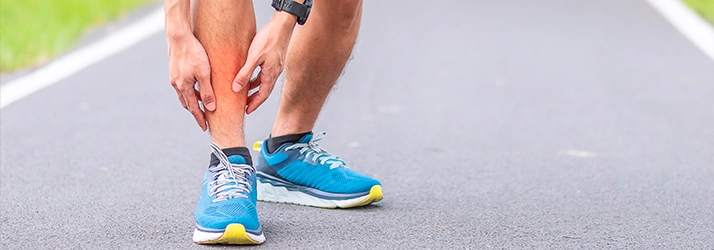
If you’ve ever felt that sharp or dull ache running down the front or inside of your lower leg after a run in Rock Hill SC, you’ve likely experienced shin splints. They’re one of the most common overuse injuries in runners, athletes, and even people returning to activity after time off. But “shin splints” isn’t a one-size-fits-all diagnosis—it’s a general term that covers different issues depending on which muscles and tissues are irritated. Understanding which type you have is key to fixing it properly.
The Two Main Types in Rock Hill SC
Anterior shin splints affect the muscles on the front of your lower leg, primarily the tibialis anterior. Pain tends to sit along the outer front edge of your shin and worsens when you lift your toes or run downhill. This version often comes from overstriding, excessive heel striking, or poor shock absorption in the foot and ankle.
Posterior shin splints, also known as medial tibial stress syndrome, involve the muscles and tendons along the inside of the shin, particularly the tibialis posterior. Pain here often appears with running or jumping and may feel deeper or more diffuse. This type commonly develops from overpronation (rolling the foot inward), weak foot stabilizers, or restricted hip and ankle mobility.
Why It Happens
Shin splints come down to one main concept: your tissues are absorbing more stress than they can handle. When foot mechanics, stride length, or running volume aren’t properly managed, the muscles and fascia around the tibia become overloaded. Limited motion in the hips or ankles forces the lower leg to work harder, amplifying that stress even more.
The Role of Movement and Motor Control
Addressing shin splints effectively means restoring how your body moves—not just treating the pain. Tight hips, restricted ankles, or weak foot muscles can all contribute to poor running mechanics and tissue overload. By restoring proper motion and motor control through adjustments, targeted rehab, and movement retraining, we help your body share the load evenly again.
Managing Load and Recovery
Load management is critical. Increasing mileage or training intensity too quickly is one of the fastest ways to develop shin splints. We coach patients to follow the “10% rule”—gradually increase mileage or volume by no more than 10% per week. Cross-training, proper footwear, and soft surface running can also help reduce impact and prevent recurrence.
Proven Treatment Approaches
Treatment depends on your specific presentation but often includes a combination of:
- Soft tissue therapy: To release tension and improve circulation in the lower leg.
- Dry needling: Targets trigger points and speeds up recovery by improving local blood flow.
- Shockwave therapy: Stimulates tissue healing and reduces chronic inflammation.
- Taping: Provides short-term relief and stability during activity.
- Rehab exercises: Strengthening the intrinsic foot muscles and improving hip stability to correct movement imbalances.
THE TAKEAWAY
Shin splints are a signal—not a sentence. With the right assessment and treatment plan, you can restore proper movement, reduce stress on your shins, and get back to training stronger than before.

OFFICE HOURS
Monday
7:45am - 6:00pm
Tuesday
7:45am - 6:00pm
Wednesday
7:45am - 6:00pm
Thursday
7:45am - 6:00pm
Friday
7:30am - 5:00pm
Saturday
8:00am - 1:00pm
Sunday
Closed

Celanese Chiropractic Health & Performance
1924 Mt Gallant Rd
Rock Hill, SC 29732